West Virginia is known for its beautiful mountains, wooded landscapes, scenic valleys, and peaceful rural communities. From custom homes in the Eastern Panhandle to mountain retreats near Canaan Valley and Snowshoe, homeowners are investing in properties that take advantage of the state’s natural beauty.
When building a new home, most people carefully consider roofing materials, insulation, electrical systems, drainage, and energy efficiency. However, one important feature is often overlooked: a professionally designed lightning protection system.
Planning for lightning protection during construction can make installation easier, allow components to be incorporated into the home’s design, and help protect your investment from the damaging effects of lightning.
Why Consider Lightning Protection for a New Home in West Virginia?
Thunderstorms occur throughout West Virginia, particularly during the warmer months. Lightning can strike homes in cities, valleys, wooded areas, and mountain communities.
While homes at higher elevations or in exposed locations may have additional considerations, no home is completely immune to lightning.
A lightning strike can potentially cause:
- Fire and structural damage
- Damage to electrical wiring and connected equipment
- Failure of heating, cooling, and home automation systems
- Damage to appliances and electronics
- Expensive repairs and disruption to daily life
A properly designed lightning protection system provides a preferred path for lightning current to travel safely toward the ground, helping reduce the risk of fire and structural damage.
The Advantages of Installing Lightning Protection During Construction
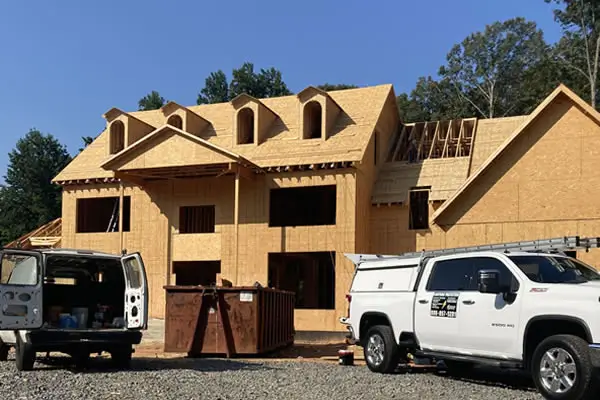
One of the best times to consider lightning protection is while your new home is being built.
1. Easier Integration With the Roof
During construction, lightning protection components can be coordinated with roofing materials and architectural features.
Air terminals, conductors, and other system components can often be positioned to minimize their visual impact while maintaining proper protection.
This is particularly beneficial for custom homes with metal roofing, complex rooflines, dormers, or multiple roof levels.
2. Planning for Grounding and Electrical Protection
A complete lightning protection system includes more than lightning rods on the roof.
It incorporates properly positioned air terminals, conductors, grounding electrodes, bonding, and coordinated surge protection.
Planning these elements during construction allows the lightning protection contractor to coordinate with builders, roofers, and electricians.
3. Protecting Expensive Home Technology
Modern homes frequently include sophisticated electrical and electronic systems, including:
- Smart home automation
- Security cameras and alarm systems
- High-efficiency heating and cooling equipment
- Home offices and networking equipment
- Entertainment systems
- Electric vehicle charging equipment
Appropriate surge protective devices are an important part of a comprehensive lightning protection strategy.
4. Avoiding Future Installation Disruptions
Lightning protection can also be installed on existing homes. However, planning during new construction may reduce the need to work around completed landscaping, finished exterior surfaces, and other obstacles.
Do Metal Roofs Need Lightning Protection?
Metal roofing is popular throughout West Virginia, particularly for mountain homes, cabins, farmhouses, and rural properties.
A common misconception is that a metal roof automatically protects a building from lightning.
Metal roofing does not necessarily make a properly designed lightning protection system unnecessary. Although metal is noncombustible, a lightning strike can still affect other building components, electrical systems, and connected equipment.
Whether a particular metal roof can serve as part of a lightning protection system depends on its materials, thickness, construction, and applicable standards.
A qualified lightning protection professional can evaluate the roof and recommend an appropriate design.
Lightning Protection for West Virginia’s Custom Homes and Rural Properties
Every property is different, and lightning protection should be designed around the structure and its surroundings.
Eastern Panhandle Homes
Communities such as Martinsburg, Charles Town, Shepherdstown, and Harpers Ferry include a mix of newer residential developments, historic properties, and rural homes.
Homeowners building custom houses in these areas can incorporate lightning protection into their construction plans.
Mountain Homes and Vacation Properties
Properties near Canaan Valley, Davis, Thomas, and Snowshoe may have elevated or exposed locations, steep roofs, and unique architectural features.
Vacation homes may also remain unoccupied for extended periods, making it especially important to consider preventive measures against lightning-related damage.
Farms, Barns, and Rural Estates
West Virginia’s rural properties often include multiple buildings, such as barns, workshops, detached garages, and storage structures.
A lightning protection assessment can consider the main residence and additional structures, along with appropriate grounding, bonding, and surge protection.
What Should a Complete Lightning Protection System Include?
A professionally designed system generally includes:
Air Terminals: Components positioned to intercept lightning strikes.
Conductors: Pathways designed to carry lightning current from the roof toward the grounding system.
Grounding Electrodes: Components that help dissipate lightning current into the earth.
Bonding: Connections that help reduce dangerous differences in electrical potential between conductive systems.
Surge Protection: Devices designed to limit transient overvoltages that can damage electrical and electronic equipment.
Systems should be designed and installed according to applicable standards, including NFPA 780 and UL 96A, as appropriate.
Should You Install Lightning Protection Before or After Roof Replacement?
If you’re replacing the roof on an existing West Virginia home, it’s an excellent opportunity to evaluate lightning protection.
A roofing project may provide easier access for installing or upgrading system components.
If your home already has lightning protection, the system should be inspected before and after roofing work to ensure components remain properly connected and correctly positioned.
Roofing contractors should coordinate with qualified lightning protection installers before removing or altering existing equipment.
Frequently Asked Questions
Is lightning protection required on every new home in West Virginia?
Lightning protection is not universally required for every single-family home. Requirements can depend on the type of building, local regulations, and project specifications. Homeowners can also choose to install a system voluntarily.
Can lightning protection be installed on an existing home?
Yes. Professionally designed lightning protection systems can be installed on existing homes, including those with asphalt shingles, metal roofs, and other roofing materials.
Will lightning rods make my home more likely to be struck?
No. Lightning rods do not attract lightning from surrounding areas. They are designed to intercept strikes and provide a controlled path for lightning current.
Does homeowners insurance cover lightning damage?
Many homeowners insurance policies provide coverage for certain lightning-related losses, but coverage and exclusions vary. Review your individual policy with your insurance provider.
Can a lightning protection system guarantee that my home will never be damaged?
No system can eliminate every risk associated with lightning. A properly designed and installed system can significantly reduce certain risks, but it cannot guarantee complete protection from every possible lightning-related event.
Planning a New Home in West Virginia? Talk to a Lightning Protection Professional
Whether you’re building a custom mountain retreat, a family home in the Eastern Panhandle, or a rural property with multiple buildings, lightning protection deserves consideration during the planning process.
Northern Virginia Lightning Protection provides professional lightning protection installation and services for residential properties.
We can help evaluate your home’s design and discuss appropriate lightning protection options for your property.
Call 571-839-4793 to discuss lightning protection for your new or existing West Virginia home.
Protect Your Home. Protect Your Investment. Plan Ahead for Lightning Safety.