Where Are Lightning Rods Typically Installed? Protecting Homes & Buildings Across Northern Virginia, Maryland, North Carolina & South Carolina
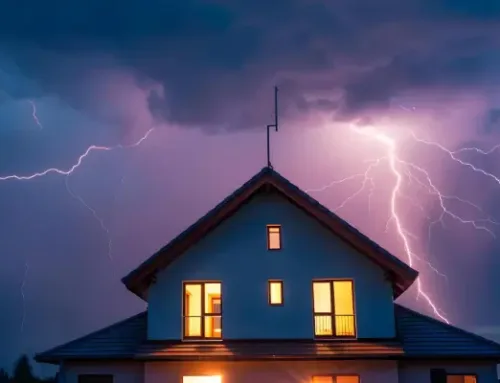
Thunderstorms and lightning strikes are a serious concern throughout the Mid-Atlantic and coastal Southeast. From Northern Virginia to the coastal regions of Maryland, North Carolina, and South Carolina, property owners face increasing risks from severe weather, electrical surges, and direct lightning strikes.
At NOVA Lightning Protection, we provide professional lightning protection system installation for residential homes, commercial buildings, barns, farms, churches, and waterfront properties throughout Northern Virginia, Maryland, North Carolina, South Carolina, and surrounding coastal communities.
One of the most frequently asked questions we hear is:
Where Should Lightning Rods Be Installed on a Building?
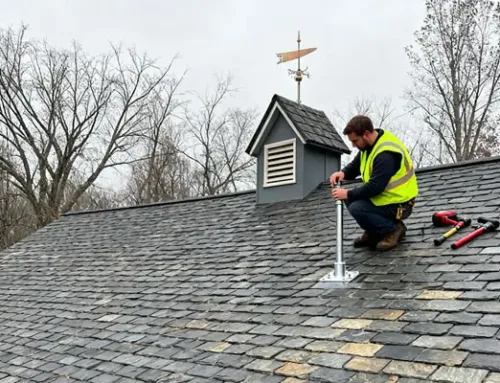
Lightning rods, also called air terminals, should be installed at the highest and most exposed areas of a structure to help intercept lightning strikes and direct electrical energy safely into the ground.
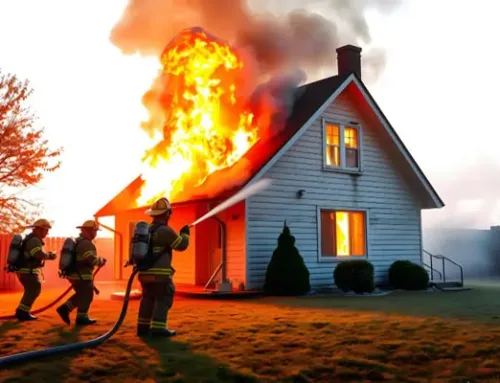
Proper lightning protection system placement is critical because lightning naturally targets elevated points and conductive pathways. A professionally installed system helps reduce the chance of:
- Structural fires
- Roof damage
- Electrical surges
- Damage to appliances and electronics
- Injuries to occupants
- Destruction of valuable equipment
Key Locations for Lightning Rod Installation
Every structure is different, but there are several common areas where lightning rods are usually installed.
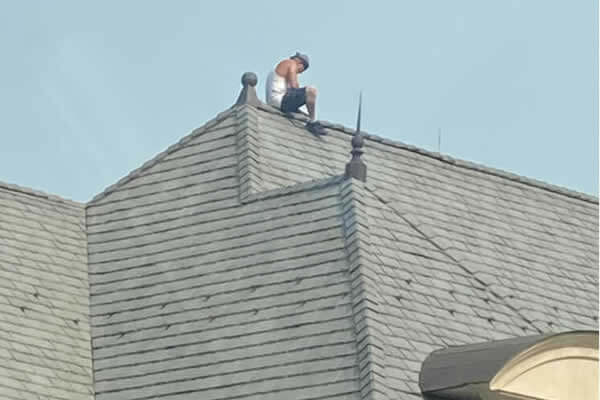
Roof Peaks and High Points
The highest sections of a building are typically the first areas protected. Lightning rods are often positioned along:
- Roof ridges
- Gable ends
- Roof peaks
- Elevated corners
- Multiple roof levels
These components work together to create a protective zone around the structure.
Chimneys, Cupolas & Rooftop Structures
Any rooftop feature that extends above the main roofline may require additional lightning protection.
This can include:
- Chimneys
- Dormers
- Cupolas
- Steeples
- HVAC systems
- Antennas
- Metal rooftop equipment
These elevated features can become vulnerable strike points during severe storms common throughout Virginia, Maryland, and the Carolinas.
Waterfront & Coastal Homes
Coastal regions in Maryland, North Carolina, and South Carolina experience frequent thunderstorms, tropical systems, and high humidity conditions that increase lightning exposure.
Lightning protection is especially important for:
- Waterfront homes
- Beach houses
- Elevated coastal properties
- Large custom homes
- Vacation homes near the coast
Tall structures in open coastal environments are often more exposed to direct lightning activity.
Commercial & Industrial Buildings
Larger commercial structures usually require more extensive lightning protection systems due to their size and electrical infrastructure.
Commonly protected properties include:
- Warehouses
- Office buildings
- Apartment complexes
- Retail centers
- Manufacturing facilities
- Government buildings
- Schools and churches
Commercial systems are designed to safely route lightning energy away from critical equipment and occupied areas.
Barns, Farms & Agricultural Buildings
Agricultural structures are highly susceptible to lightning strikes because they are frequently located in open fields or rural areas.
Lightning rods are commonly installed on:
- Horse barns
- Riding arenas
- Equipment buildings
- Storage facilities
- Agricultural metal buildings
- Livestock shelters
A professionally installed system can help protect livestock, hay storage, electrical systems, and farm equipment.
Metal Roofs & Metal Buildings
Many property owners mistakenly assume metal roofs automatically protect against lightning. While metal roofing materials may disperse energy differently, they do not replace a complete lightning protection system.
Metal structures still require properly engineered:
- Air terminals
- Conductors
- Grounding systems
- Bonding connections
This is especially important for commercial and agricultural buildings.
How Many Lightning Rods Are Needed?
The number of lightning rods required depends on several factors, including:
- Roof dimensions
- Building height
- Architectural design
- Roof shape
- Building materials
- Nearby trees or structures
- Local lightning frequency
A small residential property may only need a limited number of air terminals, while large commercial or agricultural structures often require a more comprehensive layout.
Professional installers follow nationally recognized standards such as NFPA 780 and UL requirements when designing systems.
Why Coastal Areas Need Lightning Protection
Properties along the Atlantic coastline often experience intense weather conditions, including:
- Severe thunderstorms
- Tropical storms
- Hurricane-related lightning activity
- Salt-air corrosion exposure
- High seasonal storm frequency
Homes and businesses located in coastal Maryland, the Outer Banks of North Carolina, and South Carolina shoreline communities can benefit significantly from properly installed lightning protection systems.
Do Lightning Rods Prevent Lightning Strikes?
Lightning rods do not stop lightning from occurring and they do not “attract” lightning unnaturally. Instead, they provide a controlled and safe path for lightning energy if a strike occurs.
Without a properly grounded system, lightning may travel through:
- Electrical wiring
- Plumbing systems
- Structural framing
- Appliances
- Roofing materials
This can lead to dangerous and costly damage.
Professional Lightning Protection Installation
Lightning protection systems should always be designed and installed by trained professionals familiar with proper grounding and bonding techniques.
At NOVA Lightning Protection, we install custom lightning protection systems for properties throughout:
- Northern Virginia
- Maryland
- North Carolina
- South Carolina
- Coastal communities throughout the Mid-Atlantic and Southeast
We protect:
- Homes
- Commercial buildings
- Horse farms
- Barns
- Churches
- Metal structures
- Waterfront properties
Schedule a Lightning Protection Assessment
If you are unsure where lightning rods should be installed on your property, a professional site evaluation can help determine the best protection strategy.
NOVA Lightning Protection provides reliable lightning protection installation services across Northern Virginia, Maryland, North Carolina, South Carolina, and nearby coastal areas.
Protect your property, electrical systems, and occupants before the next storm season arrives.
Frequently Asked Questions
Are lightning rods installed only on residential homes?
No. Lightning protection systems are commonly installed on homes, commercial buildings, barns, churches, industrial facilities, and agricultural properties.
Can lightning rods be installed on existing buildings?
Yes. Most lightning protection systems can be retrofitted onto existing structures without major modifications.
Do coastal homes need lightning protection?
Yes. Coastal properties are often more exposed to thunderstorms and lightning activity due to open terrain and weather patterns.
Can lightning damage electronics inside a building?
Yes. Lightning-related surges can damage appliances, HVAC systems, computers, and electrical equipment. Proper grounding and surge protection help reduce this risk.
Are lightning protection systems required for barns?
While not always legally required, lightning protection is strongly recommended for barns and agricultural facilities to help protect livestock and structures.